Resin patio furniture and changing weather: what to expect
Outdoor furniture lives through a lot more than a quiet summer evening. It sits in strong sun, absorbs rain, collects dust, gets splashed by pools, and may be left out when the temperature drops. That is why material choice matters as much as style. Resin patio furniture has become a common option for patios, gardens, poolside areas, and commercial outdoor spaces because it is designed with outdoor conditions in mind.
Resin, in this setting, usually refers to synthetic material shaped into furniture parts rather than natural wood or woven fibers. Some pieces are made from molded resin, while others use resin strands or panels over a frame. The exact construction varies by product, but the general idea is the same: the outer material does not absorb water the way untreated wood can, and it does not rely on paint to stay outdoors.
Why weather resistance starts with the material
Rain is one of the first tests for anything kept outside. Wood can swell, warp, or darken when it stays damp. Metal can corrode if its protective finish is chipped. Resin does not soak up rain in the same way, so a quick shower usually beads or runs off the surface. That makes day to day use simpler, especially where furniture sits near a pool, on an exposed patio, or in a garden that gets regular sprinkler water.
Sun exposure is another factor. Ultraviolet light can fade colors and make some plastics brittle over time. Outdoor resin is typically made with additives that help it stand up to sunlight, though no material is completely unaffected by years of exposure. Color may still mellow, and surfaces can lose a little sheen. The practical point is that resin is made for outdoor use, not simply adapted from indoor plastic.
Temperature changes also affect how furniture feels and performs. Warm resin may feel softer on a hot afternoon, while cold resin can feel firmer in early spring or late autumn. This does not mean the furniture fails in cold weather, but it does mean owners should avoid forcing rigid parts, dragging chairs over rough ground when they are cold, or stacking pieces in a way that puts stress on corners.

What resin construction means in daily use
A well shaped resin chair or table is built around the way people actually sit, eat, and move outdoors. Molded seats can follow the body with gentle curves, so seat comfort often comes from the shape rather than thick cushions. That is useful in warm weather, when cushions can trap heat and hold moisture. Smooth surfaces also wipe clean after spills, which matters for dining areas and busy patios.
Weight is another practical detail. Resin furniture is usually easier to move than heavy wood or stone. That helps when rearranging a patio layout, clearing space for a gathering, or bringing pieces under cover during a storm. Light weight has a trade off: in very windy spots, furniture may shift more easily. Placing pieces against a wall, using heavier tables, or storing chairs during severe weather can reduce that risk.
Many resin pieces are stackable chairs, and that feature becomes useful when space is limited. Stackable designs let a dining set serve everyday meals and still leave room when not in use. The key is to stack only as high as the design allows and to make sure chairs are dry before stacking. Trapped moisture can leave marks, and a tall, poorly balanced stack can tip.
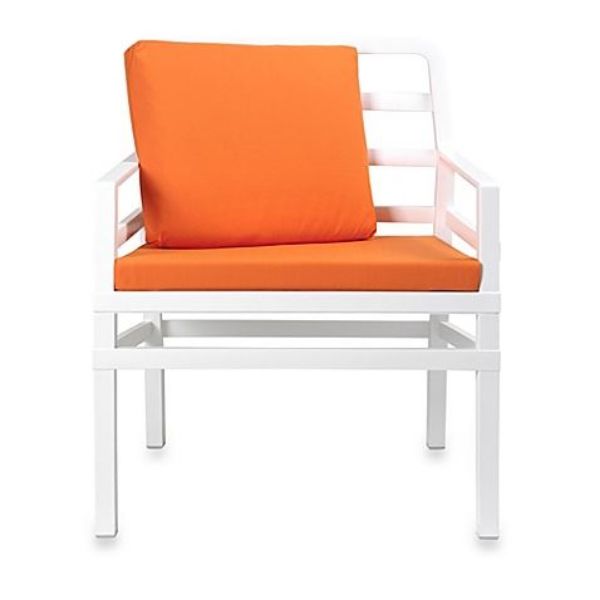
Nardi outdoor furniture is one example within the broader resin outdoor category, where design often combines molded forms with practical features for patios and dining areas. The value is not just visual. Smooth edges, repeatable shapes, and consistent parts make pieces easier to place, clean, and store than many natural materials that vary from one item to the next.
Where resin works especially well
Poolside settings are a natural match. Splashes, wet feet, sunscreen, and damp towels are part of the environment. Resin surfaces generally handle these everyday exposures better than unfinished wood or fabric heavy seating. A quick rinse or wipe is often enough to keep a chair ready for the next use, though standing water should not be left to sit in seams or around hardware.
Dining areas benefit from the same practicality. Meals bring spills, crumbs, and sudden changes in use. A resin tabletop can be wiped after a meal, and chairs can be moved without the same worry about scratches that often comes with softer finishes. For commercial spaces, the appeal is straightforward: pieces need to look tidy, tolerate frequent use, and be manageable when the area is reset.
Gardens can be a little different. Organic debris, pollen, and soil can collect on any outdoor surface. Resin may resist moisture, but it is not self cleaning. Leaves left in a chair seat can hold dampness against the surface, and dirt can grind into textured areas when chairs are dragged. A gentle cleaning routine prevents small issues from becoming stubborn marks.
Details worth checking before choosing
Not all resin furniture is built to the same standard. The material matters, but so do shape, joints, feet, and finish. Two chairs that look similar from a distance can feel quite different once seated. Before choosing a set, pay attention to the details that affect long term comfort and fit.
- Check chair dimensions against the space available, including room to pull chairs back from the table.
- Compare table height with the chairs so elbows and knees have a natural position during meals.
- Look at the seat shape and back angle, since comfort depends on support rather than softness alone.
- Notice the feet or glides, which help protect paving and reduce scraping when chairs move.
- Ask how the parts are joined, because repeated movement is often harder on connections than on the resin surface itself.
These checks are especially useful when buying pieces unseen. A product may look compact in a photograph but feel crowded at a small patio table. Generous chairs can make a dining area feel welcoming, yet they need clearance. A balanced layout leaves paths open and avoids placing seats where doors, gates, or irrigation spray create constant friction.
Seasonal care without making a chore of it
Resin furniture asks for less attention than many outdoor materials, but a little care extends its useful life. Routine cleaning can be as simple as removing loose debris, washing with mild soap and water, and rinsing well. A soft brush helps with textured surfaces. Harsh abrasives can dull the finish, so it is better to work gently and repeat than to scrub hard.
Drainage is worth considering during setup. If furniture sits on a flat surface where water pools, moisture can remain around feet or under frames for long periods. Moving pieces occasionally lets those areas dry. During prolonged rain or freezing conditions, covering or storing furniture is a sensible choice if practical. Covers should allow airflow, since a tight cover over damp furniture can hold moisture against the surface.
Stains should be treated according to the source. Food residue, bird droppings, and plant matter are best dealt with sooner rather than later. For marks that do not lift with gentle cleaning, a product intended for the specific resin finish may be appropriate, but testing in a small hidden area is wise. Mixing cleaners is not recommended. If a surface becomes sticky, warped, or unusually brittle, the cause may be exposure or a product reaction rather than ordinary dirt.
Hardware deserves a separate look. Some resin furniture uses screws, bolts, or connectors made from metal. These parts do not always age at the same pace as the resin. Loose fittings can cause wobbling, and wobbling can put strain on molded sections. Tightening by hand with the correct tool is usually enough for a simple loose fastener. If a frame is bent, cracked, or difficult to adjust, it is better to stop using the piece and seek advice from the manufacturer or a qualified repair professional rather than forcing it.
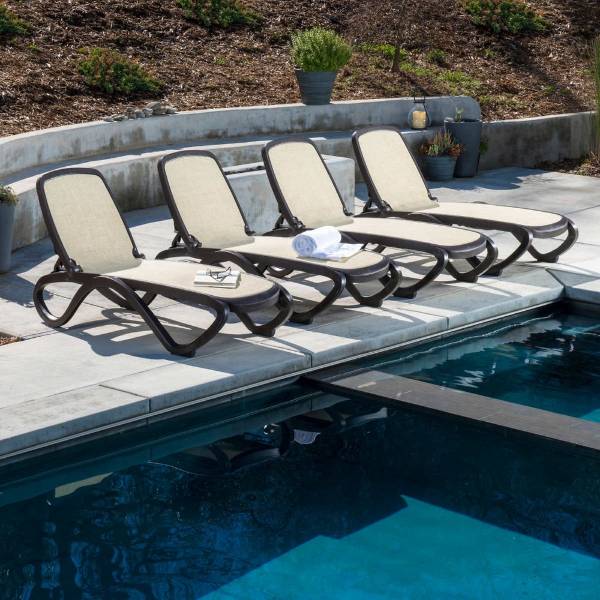
Nardi outdoor furniture fits into this conversation because the brand is associated with resin pieces made for outdoor settings, including patios, dining areas, pools, gardens, and commercial spaces. That kind of focused use shapes what owners should expect from the material: easy movement, simple cleaning, and steady performance when weather changes, with sensible care during extremes.
The practical takeaway
Resin patio furniture is not maintenance free, but it is built around the realities of outdoor life. It handles rain better than many absorbent materials, tolerates sun with reasonable care, and supports busy spaces without the fuss of cushions or delicate finishes. Its light weight helps with flexible layouts, though wind and rough handling still call for judgment.
The best choice depends on how the space is used. A sheltered balcony, a pool deck, and a commercial dining terrace place different demands on furniture. Checking dimensions, seat comfort, stacking design, and cleaning needs before buying leads to a better fit than choosing by appearance alone. With realistic care, resin furniture can stay useful through changing weather and keep outdoor areas ready for everyday use.